

Smart Strategies for Optimizing Resource Allocation in Healthcare
One of the biggest challenges clinical management teams face is optimizing the allocation of resources. It’s not just about making sure doctors, nurses, and other healthcare professionals have what they need—it’s about doing so in a way that delivers the best outcomes for patients while keeping costs under control. When done right, this leads to a more efficient, effective, and sustainable healthcare system.
So, how can healthcare providers improve their resource allocation strategies? Let’s dive into some key strategies that are making a real difference in the industry today.
1. Data-Driven Decision Making
By collecting and analysing patient data, healthcare providers can make more informed decisions about where resources are needed most.
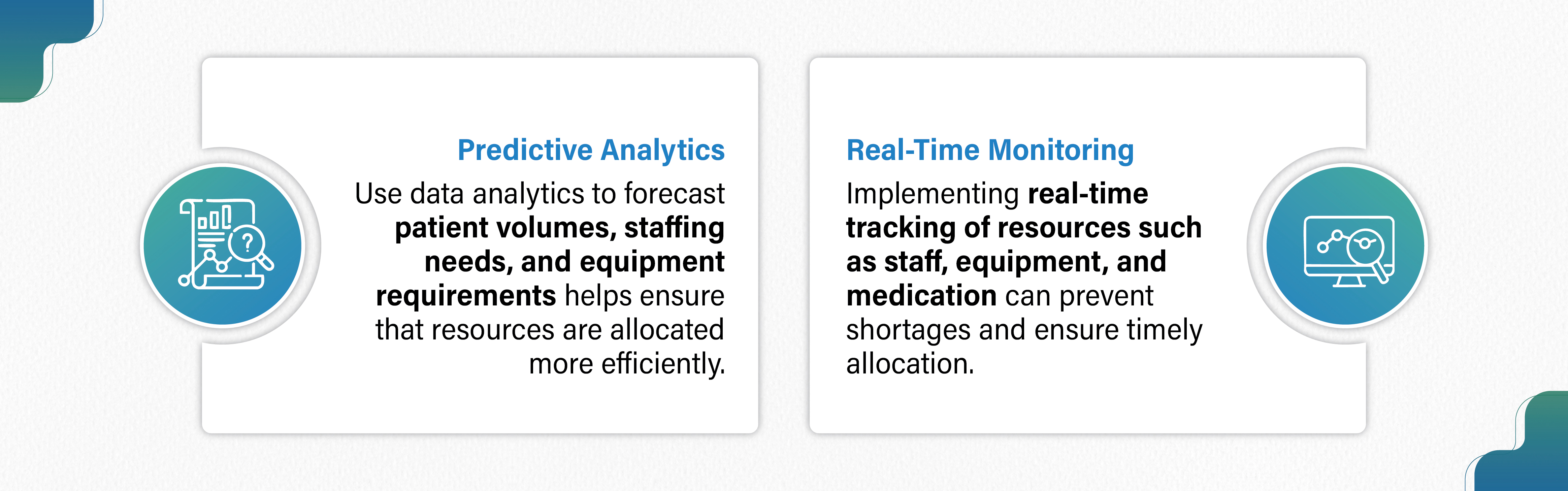
Whether it’s adjusting staffing levels, managing bed availability, or predicting patient admissions, predictive analytics allows clinical teams to anticipate needs and take proactive steps.
For example, by using historical data, hospitals can forecast busy seasons, the likelihood of patient admissions, and potential surges in specific treatments or procedures. With this information in hand, you can allocate staff and resources more efficiently, helping to avoid bottlenecks and reduce patient wait times. This data-driven approach ensures that your practice is prepared and responsive, ultimately improving patient care and operational efficiency.
2. Standardizing Care Processes
Standardizing care processes through clinical pathways and protocols is a key strategy for optimizing resource allocation in healthcare.
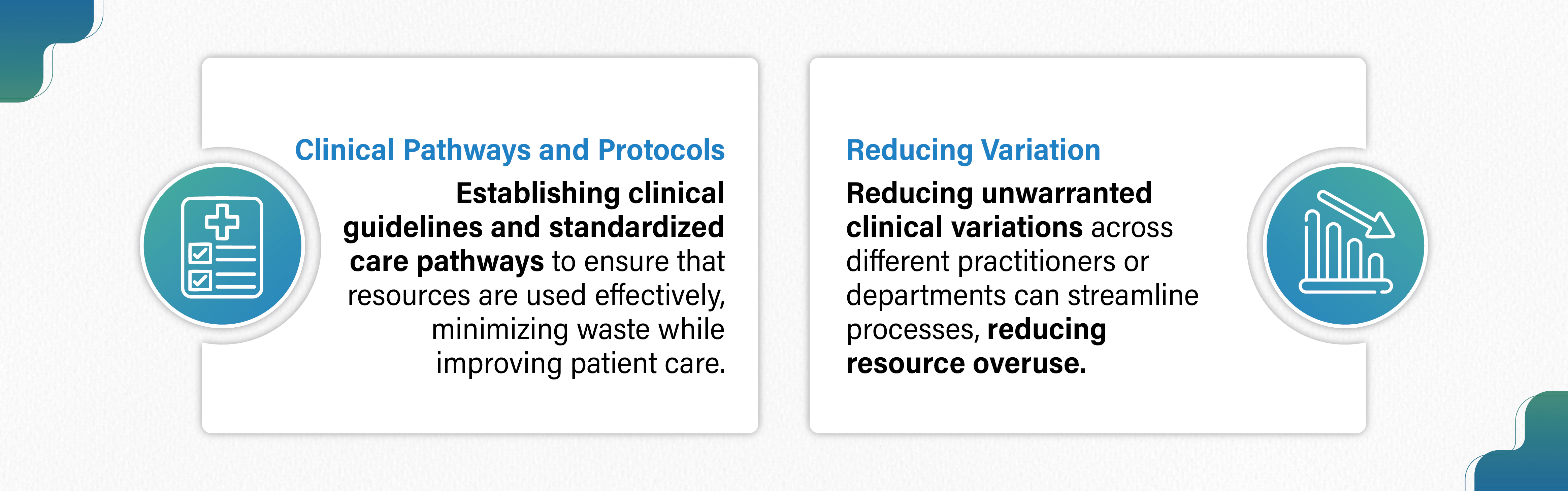
By setting evidence-based guidelines, healthcare providers can reduce unnecessary variations in treatment, ensuring that resources are used efficiently across different practitioners and departments. This helps cut down on waste, avoid redundant tests and procedures, and ultimately improves patient outcomes by sticking to best practices.
Plus, with continuous data collection and feedback, healthcare teams can make ongoing improvements. This makes resource management more predictable and cost-effective, while also boosting the overall quality of care and encouraging better collaboration among the team. It’s all about streamlining processes to make healthcare delivery smoother and more effective for everyone involved.
3. Staffing Optimization
Implementing flexible staffing models and cross-training staff are smart strategies for optimizing resource allocation in healthcare.
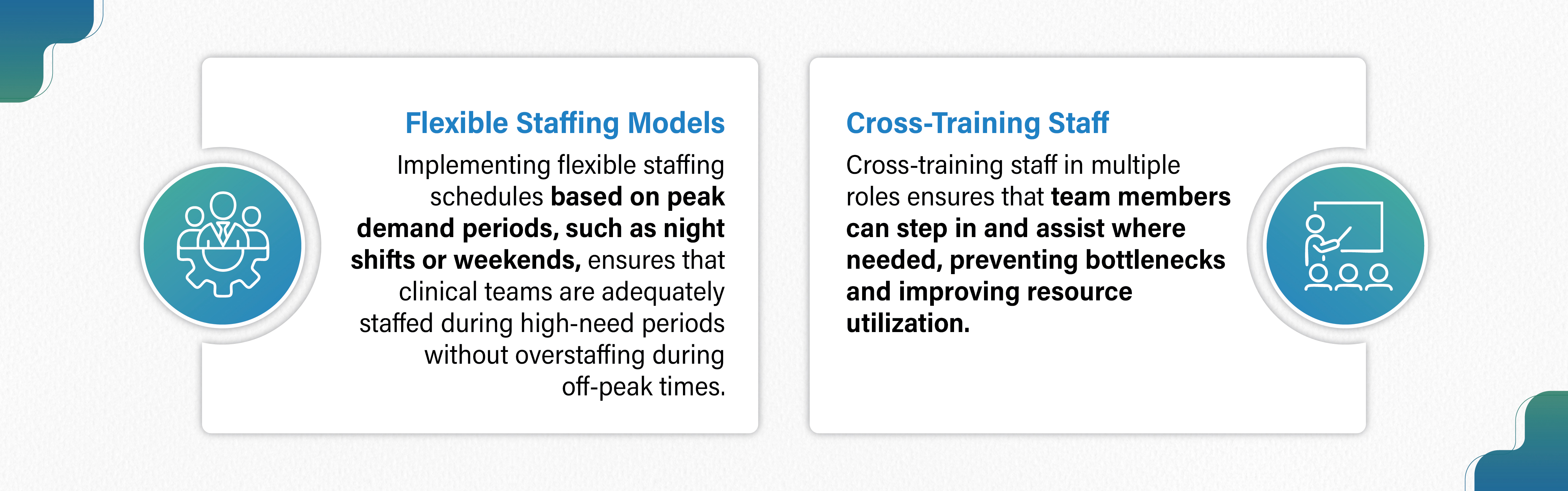
Flexible staffing lets clinical teams adjust their schedules to match peak demand times, night shifts or weekends, ensuring that there’s enough coverage during busy periods without overstaffing during quieter times.
Cross-training staff to take on multiple roles boosts resource utilization, allowing team members to pitch in across different areas as needed. This helps prevent overcrowding in any one department and keeps things running smoothly. Together, these strategies improve operational efficiency, minimize downtime, and ensure that healthcare teams can quickly adapt to changing patient needs. It’s all about staying flexible and ready to respond to whatever comes your way.
4. Technology Integration
Optimizing Electronic Health Records (EHR) and using telemedicine are key strategies for improving resource allocation in healthcare.
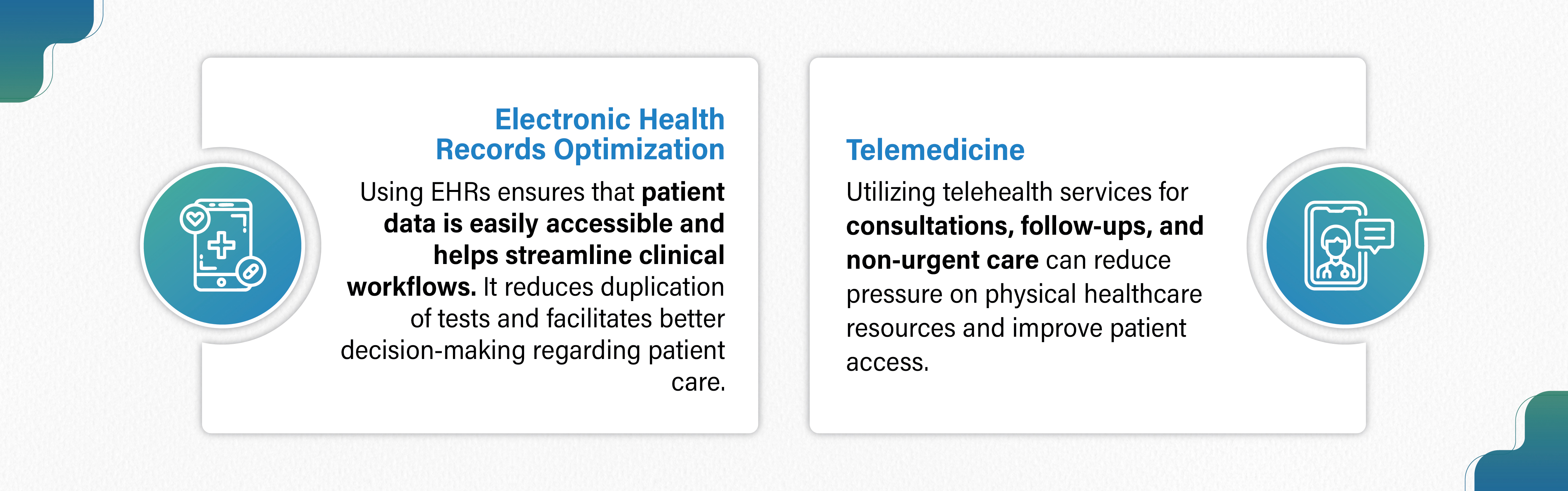
EHR optimization makes patient data easily accessible, which streamlines workflows, reduces unnecessary tests, and supports better decision-making. This leads to more efficient use of resources and smoother care delivery.
On the other hand, telemedicine enables virtual consultations, follow-ups, and non-urgent care, helping to reduce the strain on physical healthcare resources. It also improves patient access, especially for those in remote or underserved areas, making it easier for them to get the care they need. Together, these technologies boost efficiency, enhance the quality of care, and ensure that resources are used effectively, making healthcare more accessible and sustainable.
5. Supply Chain Management
Implementing advanced inventory management systems and optimizing vendor relationships are essential strategies for efficient resource allocation in healthcare.
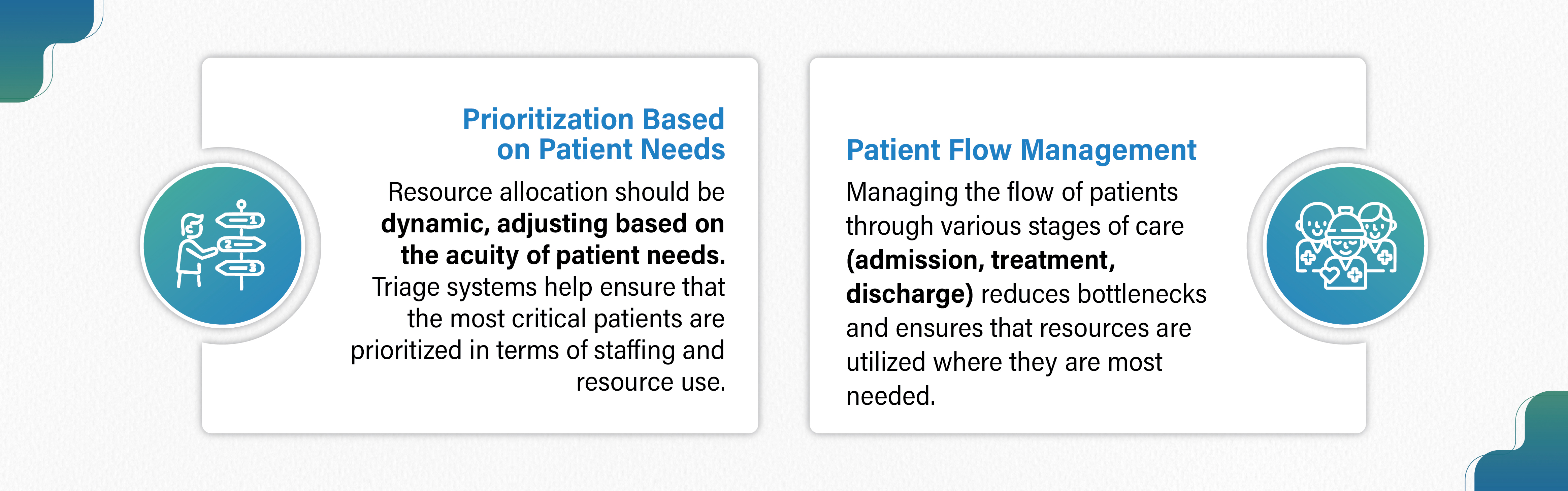
Automated inventory systems keep track of medical supplies and medications, ensuring that resources are available when needed while preventing overstocking and waste.
On top of that, working closely with suppliers to get better pricing on bulk purchases or negotiating just-in-time deliveries helps manage costs without tying up too much capital in inventory. These strategies streamline supply chains, cut down on excess stock, and contribute to more cost-effective, sustainable healthcare operations. By optimizing how resources are managed, you can provide better care while keeping costs under control.
6. Patient Centred Resource Allocation
Prioritizing resources based on patient needs and effectively managing patient flow are crucial strategies for optimizing healthcare resource allocation.
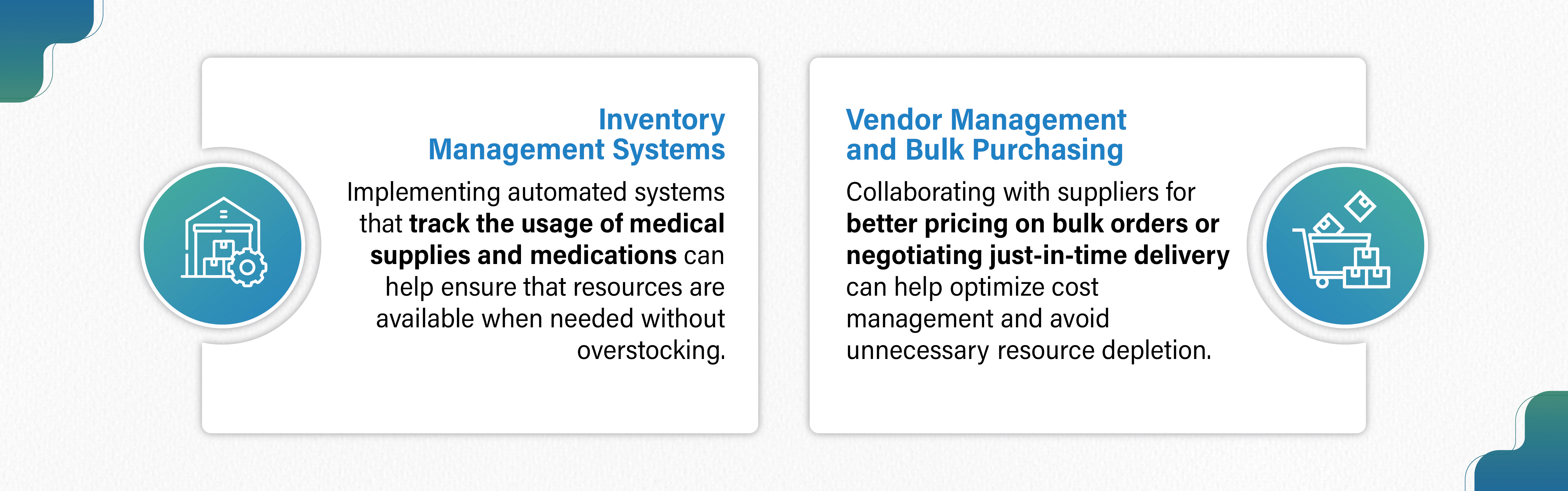
Dynamic resource allocation, guided by triage systems, helps ensure that the most critical patients receive attention first, while those with less urgent needs are managed accordingly.
Efficient patient flow management, tracking the movement of patients from admission through treatment and discharge helps reduce bottlenecks and minimize delays. This ensures that resources are used where they are most needed, improving both patient outcomes and operational efficiency. By keeping things moving smoothly, healthcare teams can deliver timely care and make the most of available resources.
Optimizing resource utilization in healthcare takes a well-rounded approach that combines data-driven decision-making, efficient staffing, technology, and strong supply chain management. Predictive analytics and real-time monitoring allow healthcare providers to allocate resources dynamically and prevent shortages, ensuring patients get timely care.
Standardizing care processes and reducing clinical variation helps streamline operations, cutting down on waste and improving patient outcomes. Flexible staffing models, cross-training staff, and optimizing technologies like EHR and telemedicine can further boost efficiency.
Robust inventory management and strategic vendor partnerships are also essential, ensuring that medical supplies and medications are always available when needed without overstocking or waste. Lastly, patient-centred resource allocation, which prioritizes care based on patient needs and manages patient flow effectively, helps direct resources to the most critical areas.
By combining all these strategies, healthcare organizations can create a more efficient, cost-effective, and patient-centred system that benefits both patients and providers.