Searching...
Can't find what you're looking for. Try different keywords.


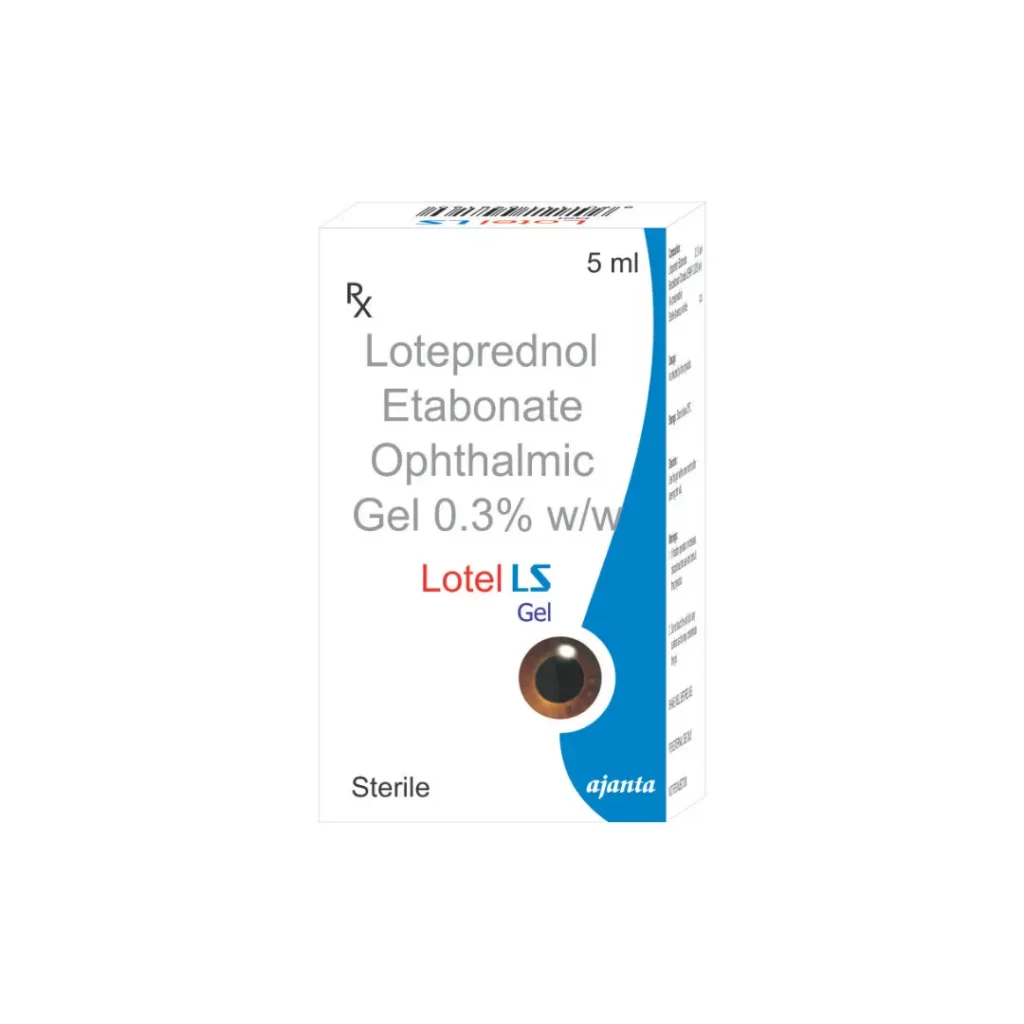

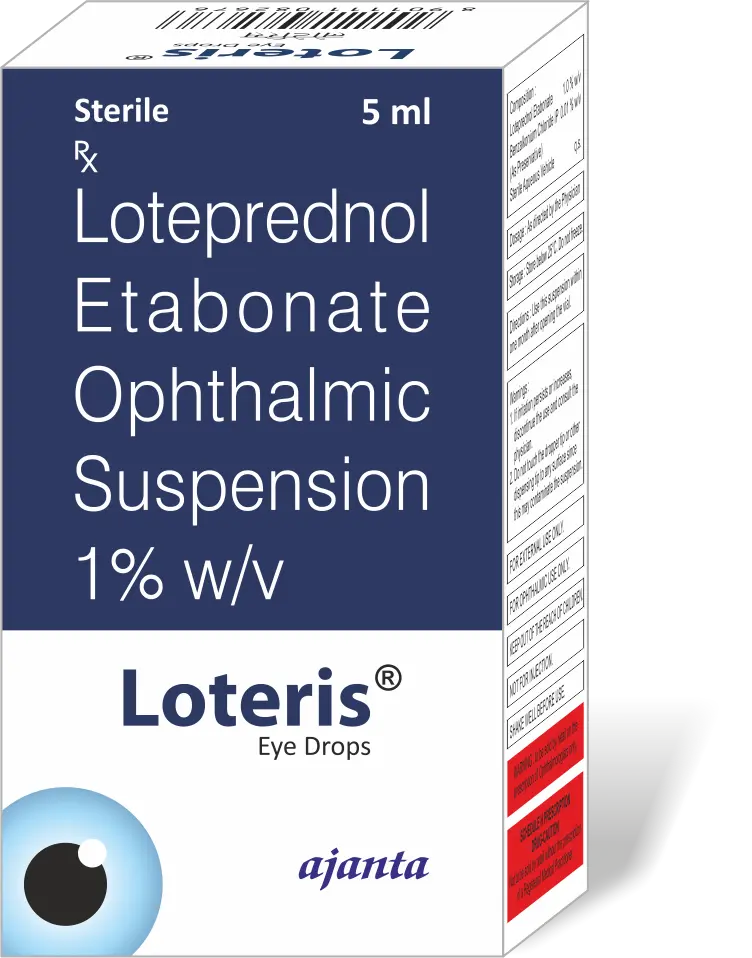
Loteprednol Etabonate Gel
0.3%
Dosage Form & Strength
TID
Dosage in Special Population
Pregnancy: Not recommended unless necessary | Lactation: Contraindicated
The most common ocular adverse event, reported in 27%, is anterior chamber inflammation. Other common adverse events, with an incidence of 4-5%, are conjunctival hyperemia, corneal edema, and eye pain.
Corticosteroids suppress the inflammatory response to inciting agents of mechanical, chemical or immunological nature. Loteprednol etabonate is a new class of corticosteroid with potent antiinflammatory activity designed to be active at thesite of action. Its antiinflammatory activity is similar to the most powerful steroid used in ophthalmology but with lessintraocular pressure.
Results from oral and ocular administration of loteprednol in normal volunteers have shown that there are low or undetectable concentrations of either unchanged material or the metabolite. Results from a bioavailability study established that plasma concentrations of loteprednol etabonate following ocular administration of one drop in each eye of loteprednol eight times daily for 2 days or four times daily for 42 days were below the limit of quantitation (1 ng/mL) and detection (500 pg/mL) at all sampling times. In the same study, plasma cortisol concentrations were measured and no evidence of adrenal cortex suppression was observed. All cortisol measurements were within normal range.
Loteprednol: Pregnancy For Loteprednol no clinical data on exposed pregnancies are available. Studies in animals have shown reproductive toxicity. The potential risk for humans is unknown and Lotemax should not be used in pregnancy unless clearlynecessary. Breastfeeding It is not known whether loteprednol etabonate is excreted in human milk. Excretion of loteprednol etabonate in breastmilk has not been investigated in animal studies. Therefore, the use of loteprednol etabonate is contraindicated inlactating women.
Loteprednol: Paediatric Population Loteprednol should not be used in the paediatric age group until further data become available.
Loteprednol: Adults and elderly One to two drops four times daily beginning 24 hours after surgery and continuing throughout the post-operative period. The duration of treatment should not exceed 2 weeks.
Subscribe to our newsletter and be the first to receive insights, updates, and expert tips on optimizing your financial management.