Searching...
Can't find what you're looking for. Try different keywords.


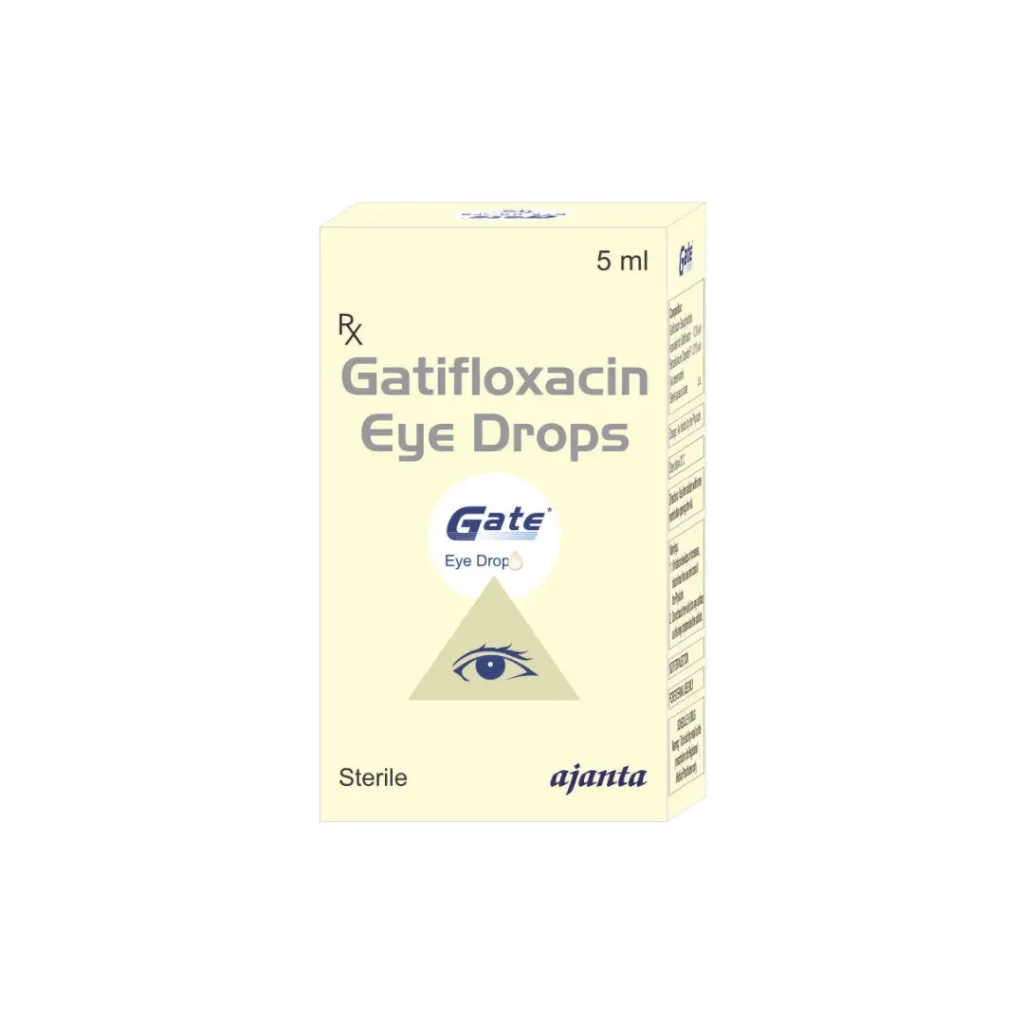

Gatifloxacin
0.3%
Dosage Form & Strength
Days 1–2: 1 drop q2h × 8/day | Days 3–7: 1 drop q2h × 4/day
Gate Drops is indicated for the treatment of bacterial conjunctivitis caused by susceptible strains
The most frequently reported adverse events in the overall study population were conjunctival irritation, increased lacrimation, keratitis, and papillary conjunctivitis. These events occurred in approximately 5-10% of patients. Other reported reactions occurring in 1-4% of patients were chemosis, conjunctival hemorrhage, dry eye, eye discharge, eye irritation, eye pain, eyelid edema, headache, red eye, reduced visual acuity and taste disturbance.
Specific drug interaction studies have not been conducted with Gatifloxacin ophthalmic solution. However, the systemic administration of some quinolones has been shown to elevate plasma concentrations of theophylline, interfere with the metabolism of caffeine, and enhance the effects of the oral anticoagulant warfarin and its derivatives, and has been associated with transient elevations in serum creatinine in patients receiving systemic cyclosporine concomitantly
Gatifloxacin : Gatifloxacin is a fluoroquinolone antibacterial. Gatifloxacin is an 8-methoxyfluoroquinolone with a 3-methylpiperazinyl substituent at C7. The antibacterial action of gatifloxacin results from inhibition of DNA gyrase and topoisomerase IV. DNA gyrase is an essential enzyme that is involved in the replication, transcription, and repair of bacterial DNA. Topoisomerase IV is an enzyme known to play a key role in the partitioning of the chromosomal DNA during bacterial cell division.
Serum Gatifloxacin levels were below the lower limit of quantification (5 ng/mL) in all subjects, so the half life of Gatifloxacin in Gate Drops is not applicable
Pregnancy Risk Summary: There are no available data on the use of Gatifloxacin in pregnant women to inform a drug-associated risk Lactation: The developmental and health benefits of breastfeeding should be considered along with the mother’s clinical need for Gatifloxacin and any potential adverse effects on the breastfed child from Gatifloxacin
Pediatric Use The safety and effectiveness of (gatifloxacin ophthalmic solution) 0.3% have been established in all ages. Use of gatifloxacin ophthalmic solution is supported by evidence from adequate and well controlled studies of gatifloxacin ophthalmic solution in adults, children and neonates
Geriatric Use No overall differences in safety or effectiveness have been observed between elderly and younger patients.
Subscribe to our newsletter and be the first to receive insights, updates, and expert tips on optimizing your financial management.