

Unravelling the Challenges of Atopic Dermatitis: Effective Management and Modern Treatment Options
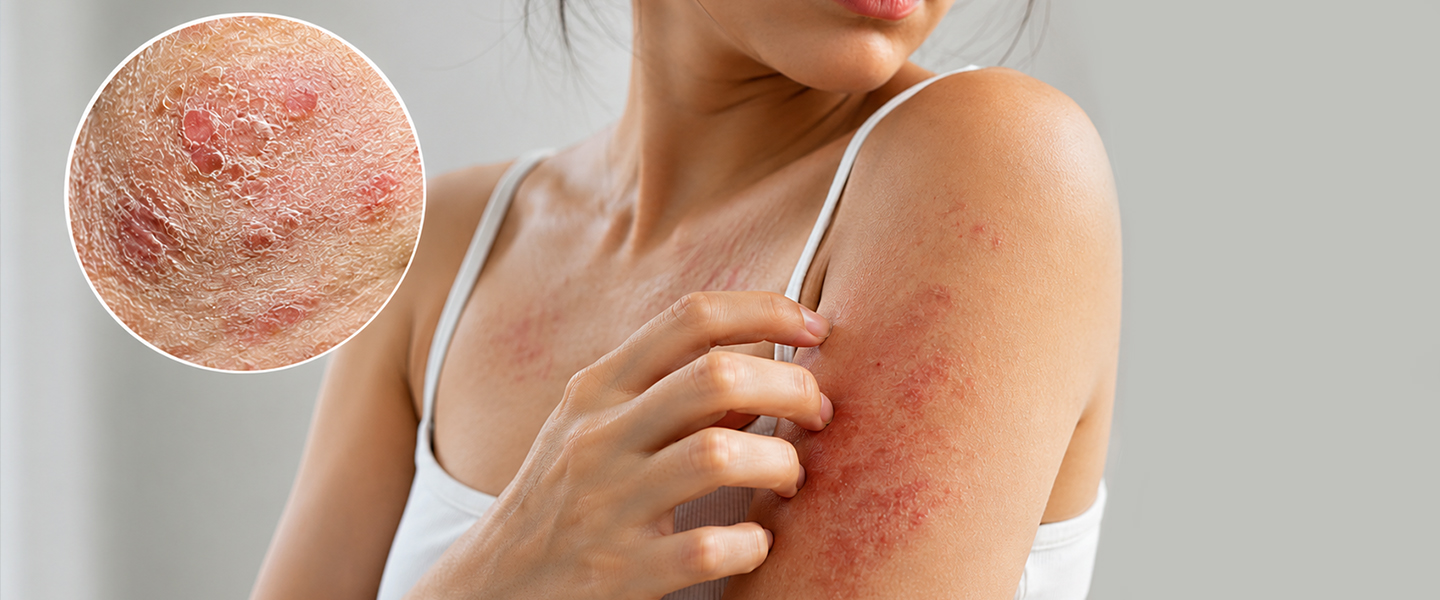
Atopic dermatitis (AD), commonly known as eczema, affects millions worldwide, causing red, itchy and inflamed skin that can significantly impact quality of life. Despite skincare advances and novel therapies, eczema management remains a challenging for both patients and healthcare providers. In this blog, we’ll explore why atopic dermatitis is so difficult to manage and review the latest eczema treatment recommendations to help those affected navigate this chronic condition.
Why Is Atopic Dermatitis So Hard to Manage?
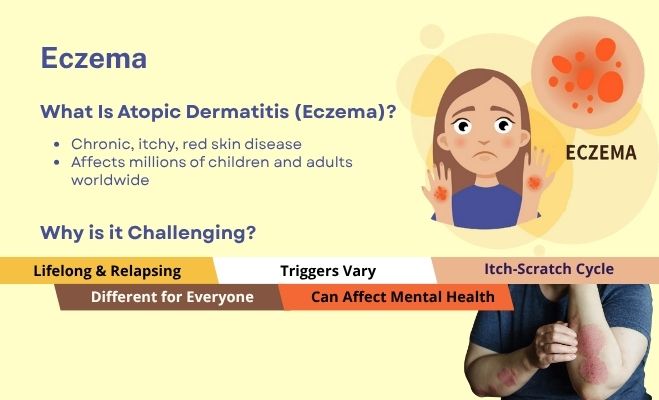
Atopic dermatitis is a complex, multifactorial condition that resists a one-size-fits-all approach. Several factors contribute to its difficulty in management:
-
Chronic and Relapsing Nature
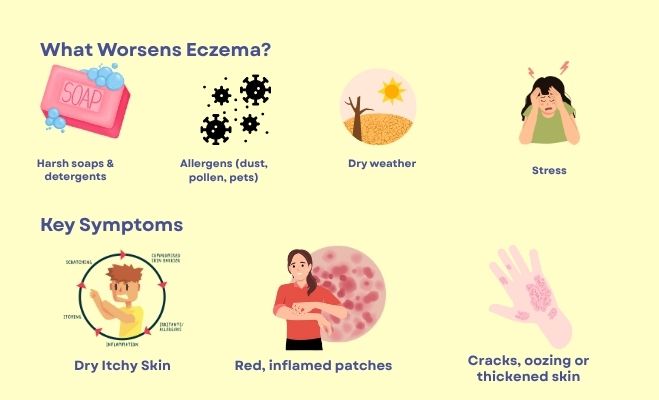
Atopic dermatitis is a chronic, relapsing skin disorder with unpredictable flares and remissions.Triggers such as stress, weather changes, allergens, or irritants can cause sudden worsening of symptoms, making long-term control challenging. As a result, effective eczema management requires ongoing, personalized strategies rather than a one-time cure.
-
Complex Pathophysiology/ Complex Disease Mechanisms
Eczema involves a combination of genetic, immune and environmental factors. A defective skin barrier, often due to mutations in the filaggrin gene causes dysfunctional skin, leading to moisture loss and easy penetration od allergens. Dysregulated immune responses, particularly involving Th2 cytokines, drives persistent itching and inflammation. This intricate interplay makes it hard to target all aspects of the disease with a single eczema treatment.
-
Individual Variations & Triggers
Each patient’s experience with eczema is unique. Triggers vary widely—what causes a flare in one person (e.g., pollen, certain foods, or soaps) may not affect another. Additionally, the severity and presentation of eczema differ, ranging from mild dryness to severe, oozing lesions. This variability requires personalized eczema treatment plans, which can be time-consuming to develop and adjust.
-
The Itch-Scratch Cycle
The hallmark symptom of eczema—intense itching— fuelling a vicious itch-scratch cycle: : scratching damages skin, worsening inflammation and infection risk, further intensifying itch. – Breaking this cycle is challenging , as itch often persists even with treatment, affecting sleep and mental well-being.
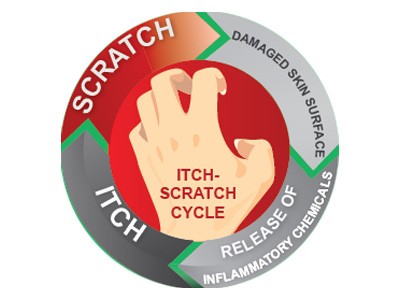
Figure 1: The Itch-Scratch Cycle in Atopic Dermatitis
-
Comorbidities and Psychosocial Impact
Atopic dermatitis is often associated with other atopic conditions, such as asthma or allergic rhinitis, complicating overall health management. The visible nature of eczema, combined with chronic discomfort, can lead to anxiety, depression or social isolation, particularly in children and adolescents. These psychosocial factors can hinder adherence to treatment regimens.
-
Treatment Adherence and Side Effects
Many proven treatments—- such as topical corticosteroids, carry risks like skin thinning or systemic absorption with prolonged use. Patients may also struggle with complex regimens involving multiple products, leading to inconsistent application. Fear of side effects or frustration with slow results can further reduce adherence.
Treatment Recommendations for Atopic Dermatitis
While managing atopic dermatitis is challenging, a combination of preventive strategies and targeted therapies can significantly improve symptoms and quality of life. Current recommendations, based on guidelines from organizations like the American Academy of Dermatology (AAD) and the European Academy of Dermatology and Venereology (EADV), focus on restoring the skin barrier, reducing inflammation and addressing triggers. Here’s a closer look at effective eczema treatment options:
-
Daily Skincare and Moisturization
A cornerstone of eczema management is maintaining skin hydration to strengthen the barrier and reduce TEWL (transepidermal water loss). Recommendations include:
- Emollients: Apply fragrance-free, hypoallergenic moisturizers rich in ceramides, glycerin or hyaluronic acid to lock in moisture —ideally twice daily or after bathing.
- Bathing Practices: Take short, lukewarm baths (5-10 minutes) with gentle, non-soap cleansers. Pat skin dry and apply moisturizer immediately to seal in hydration.
- Wet Wrap Therapy: For severe flares, apply moisturizers or medicated creams followed by damp bandages to enhance absorption and soothe inflammation.
-
Topical Anti-Inflammatory Treatments
To control inflammation and itching during flares, topical therapies are often first-line:
- Topical Corticosteroids: Available in varying potencies (e.g., hydrocortisone for mild cases, clobetasol for severe), these reduce inflammation and itch. Use under medical supervision to minimize side effects like skin thinning.
- Topical Calcineurin Inhibitors: Tacrolimus and pimecrolimus are non-steroidal options for sensitive areas (e.g., face, genitals). They suppress immune responses and are suitable for long-term use in some patients.
- PDE4 Inhibitors: Crisaborole, a phosphodiesterase-4 inhibitor, reduces inflammation and is approved for mild-to-moderate eczema, offering a steroid-free alternative.
-
Trigger Avoidance
Identifying and avoiding triggers is critical for preventing flares:
- Environmental Controls: Use hypoallergenic bedding, avoid harsh detergents, and maintain a cool, humid environment to reduce irritation.
- Food Allergens: In some cases, foods like dairy, eggs or nuts may trigger flares, particularly in children. Consult a dermatologist or allergist for testing before implementing dietary restrictions.
- Stress Management: Techniques like mindfulness or therapy can help reduce stress-induced flares.
-
Systemic Therapies for Severe Eczema
For moderate-to-severe eczema unresponsive to topical treatments, systemic options may be considered:
- Oral Corticosteroids: Used sparingly for short-term control of severe flares due to risks of systemic side effects.
- Biologics: Dupilumab, a monoclonal antibody targeting IL-4 and IL-13, is FDA-approved for moderate-to-severe eczema in adults and children. It reduces inflammation and improves symptoms with a favorable safety profile.
- Oral Immunosuppressants: Drugs like cyclosporine, methotrexate, or azathioprine may be prescribed for severe cases, but require monitoring for side effects.
- JAK Inhibitors: Upadacitinib and abrocitinib, oral Janus kinase inhibitors, are newer options for severe eczema, offering rapid itch relief but requiring careful monitoring.
-
Phototherapy
Narrowband UVB phototherapy is recommended for patients with widespread eczema not responding to topical treatments. It reduces inflammation and itch but requires specialized equipment and regular sessions.
-
Managing Eczema-Associated Infections
Eczema patients are prone to bacterial infections (e.g., Staphylococcus aureus) due to skin barrier disruption. Topical or oral antibiotics may be prescribed for infected lesions and bleach baths (diluted sodium hypochlorite) can reduce bacterial load.
-
Emerging and Innovative Therapies
Research continues to advance eczema treatment. Novel therapies under investigation include:
- Microbiome-Based Treatments: Probiotics or topical microbiome modulators to restore healthy skin flora.
- Targeted Biologics: Agents targeting specific cytokines (e.g., IL-31 for itch) are in clinical trials.
- Barrier-Repair Therapies: Formulations with skin-identical lipids (e.g., ceramides, cholesterol) to mimic the natural skin barrier, as seen in studies improving TEWL in contact dermatitis.
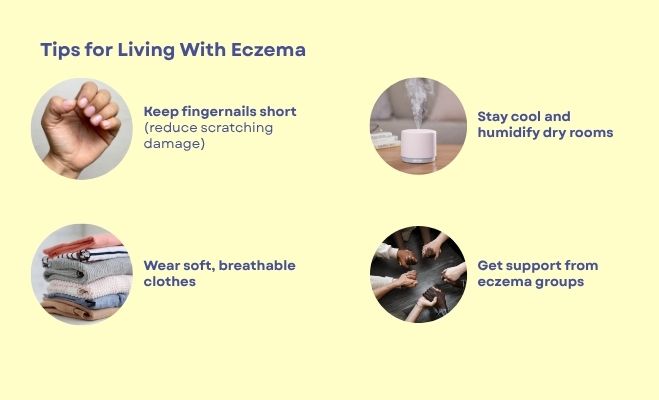
Practical Tips for Eczema Self-Care and Improved Outcomes Monitor Symptoms & Triggers:
- Keep a diary of flares, noting potential triggers like diet, weather, or stress.
- Build simple routines: Work with a dermatologist to create a manageable routine to improve adherence.
- Protect Skin: Wear loose, breathable clothing and use sunscreen to prevent UV-induced flares.
- Seek Support: Join support groups or consult a mental health professional to address the emotional toll of eczema.
Conclusion
Atopic dermatitis is a challenging condition due to its chronic nature, complex pathophysiology, and individual variability. However, with a tailored approach combining diligent skincare, trigger avoidance, and evidence-based treatments, patients can achieve better symptom control and improved quality of life. Always consult a dermatologist to develop a personalized plan, as ongoing research continues to bring new hope for managing this persistent condition.
References
- Eichenfield, L. F., et al. (2014). Guidelines of care for the management of atopic dermatitis: Section 1. Diagnosis and assessment. Journal of the American Academy of Dermatology, 70(2), 338-351.
- Sidbury, R., et al. (2014). Guidelines of care for the management of atopic dermatitis: Section 4. Prevention of disease flares and use of adjunctive therapies. Journal of the American Academy of Dermatology, 71(6), 1218-1233.
- Wollenberg, A., et al. (2018). ETFAD/EADV Eczema task force 2015 position paper on diagnosis and treatment of atopic dermatitis. Journal of the European Academy of Dermatology and Venereology, 32(5), 657-682.