

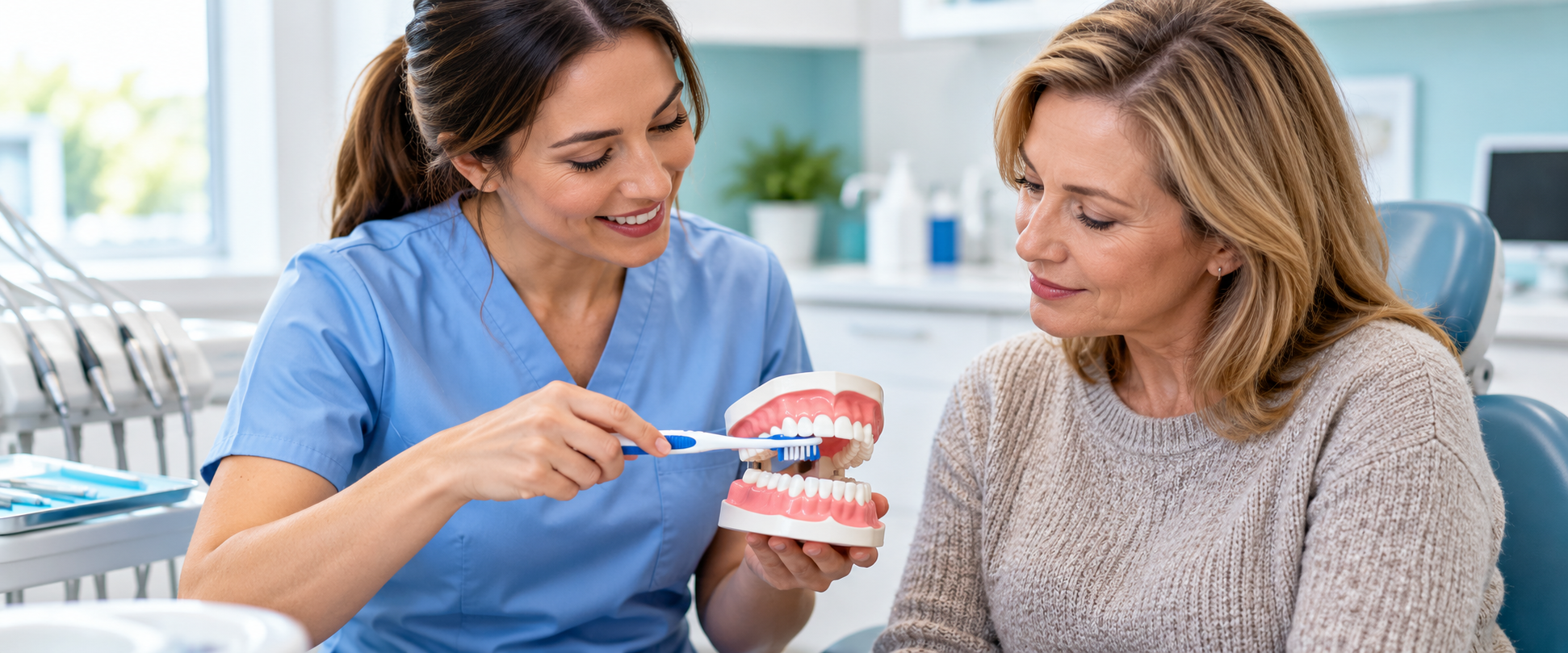
Personalized Oral Health Education: Rethinking the Approach to Periodontal Prevention
Maintaining periodontal health requires more than simply knowing the correct oral hygiene practices; it also depends on how consistently patients incorporate them into their daily routines. Despite receiving oral hygiene instructions, patients may struggle to translate this advice into sustained behavioural changes.
Periodontitis is the sixth most common disease worldwide. The incidence of periodontitis increases with age, reaching its peak between the ages of 50 to 60. The severity of disease also increases the complexity of the treatment and the associated costs.
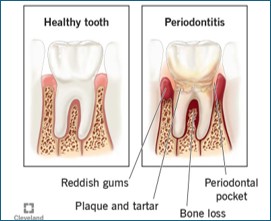
Fig 1: Healthy Tooth Vs Periodontitis
To prevent the harmful effects of plaque and other pathogenic factors on healthy periodontal tissues, it is important to remove these factors before they cause damage. This can be achieved through oral hygiene education and regular dental checkups, which help individuals establish good personal oral hygiene habits and learn the correct brushing techniques.
A 2026 systematic review and meta-analysis by Cai, Wang, and Raja Awang, published in the International Journal of Dentistry, examined whether personalized oral health education could improve oral hygiene behaviour and periodontal health compared with conventional educational approaches. Its findings highlight the potential value of moving beyond standardised instructions towards education that responds to individual needs.
What did the systematic review find?
A total of 8 articles were included in the study, involving 3384 participants. The meta-analysis showed that personalized oral health education, compared with conventional methods, significantly decreased
-
Plaque index: MD = −0.42, (95% CI −0.63 to −0.21, p<0:0001)
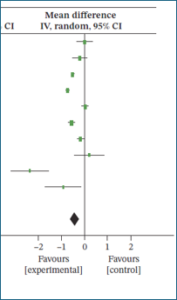
Fig 2: Meta-analysis forest plot assessing the influence of oral health education on the population’s plaque index
-
Gingival index: MD = −0.47, (95% CI −0.67 to −0.27, p<0:0001).
It also enhanced self-efficacy and oral health-related quality of life. Moreover, it increased the frequency of tooth brushing and dental flossing, and improved oral health knowledge, attitude, and behaviour among participants.
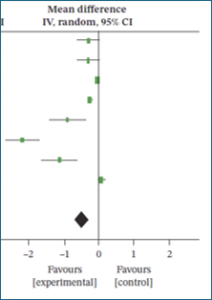
Fig 3: Meta-analysis forest plot assessing the influence of oral health education on the population’s gingival index
What does personalize oral health education involve?
The personalized oral health education methods adopted in the included studies were classified into four categories:
- Individualized face-to-face guidance, including toothbrushing demonstrations combined with PowerPoint presentations, as well as one-on-one counselling focusing on action planning, self-efficacy, and behavioural intention cultivation
- Group-based interventions, encompassing classroom-based group interventions and combined group sessions integrating multiple activities
- Support systems, primarily referring to parent support groups that target parents to indirectly influence patients
- Mixed-mode interventions, namely comprehensive interventions combining PowerPoint visual presentations with hands-on toothbrushing demonstration training.
Why does this matter for periodontal practice?
Periodontal prevention depends on effective plaque control, and patients play a central role in maintaining daily oral hygiene between dental visits. An educational approach that improves a patient’s understanding and confidence may help bridge the gap between professional advice and routine behaviour.
The reported improvements in self-efficacy are particularly relevant. Patients may be more likely to maintain recommended practices when they understand their purpose and feel capable of performing them. Similarly, the reported increase in brushing and flossing frequency suggests that education may influence behaviours that contribute to plaque control.
For dentists and periodontists, personalized education can therefore be considered an important component of preventive care and patient engagement. It may complement clinical assessment, professional periodontal treatment where indicated, and ongoing maintenance. It should not, however, be viewed as a substitute for appropriate diagnosis or treatment.
The review also raises an important practical consideration: a single educational encounter may not be sufficient to maintain behaviour change. The authors identify follow-up duration as a major source of heterogeneity and recommend sustained educational strategies incorporating follow-up, reminders, and reinforcement. This supports a continuing-care approach in which oral hygiene advice is revisited rather than treated as a one-time conversation.
Conclusion:
Personalized oral health education may contribute to improving oral health knowledge among the general population, which could positively influence attitudes and behaviors related to oral hygiene. Tailored educational approaches may help individuals develop greater self-efficacy, potentially supporting more consistent toothbrushing, and flossing habits. These behavioral changes may in turn, aid in maintaining periodontal health, reducing plaque accumulation, and minimizing gingival bleeding, thereby potentially enhancing patients’ oral health-related quality of life.
Note:
These findings should be interpreted with caution. The review included eight randomised controlled trials, and substantial heterogeneity was observed for some outcomes, particularly plaque index (I² = 95%). Differences in follow-up duration and educational approaches may have contributed to the variability. Further research is needed to establish the long-term sustainability of behavioural changes and their relationship with clinically meaningful periodontal outcomes.
References:
Cai Y, Wang L, Raja Awang RA. The Effect of Personalized Oral Health Education on Oral Hygiene Behavior and Periodontal Health: A Meta-Analysis and Systematic Review. International Journal of Dentistry. 2026;2026:7955459. https://doi.org/10.1155/ijod/7955459