Searching...
Can't find what you're looking for. Try different keywords.


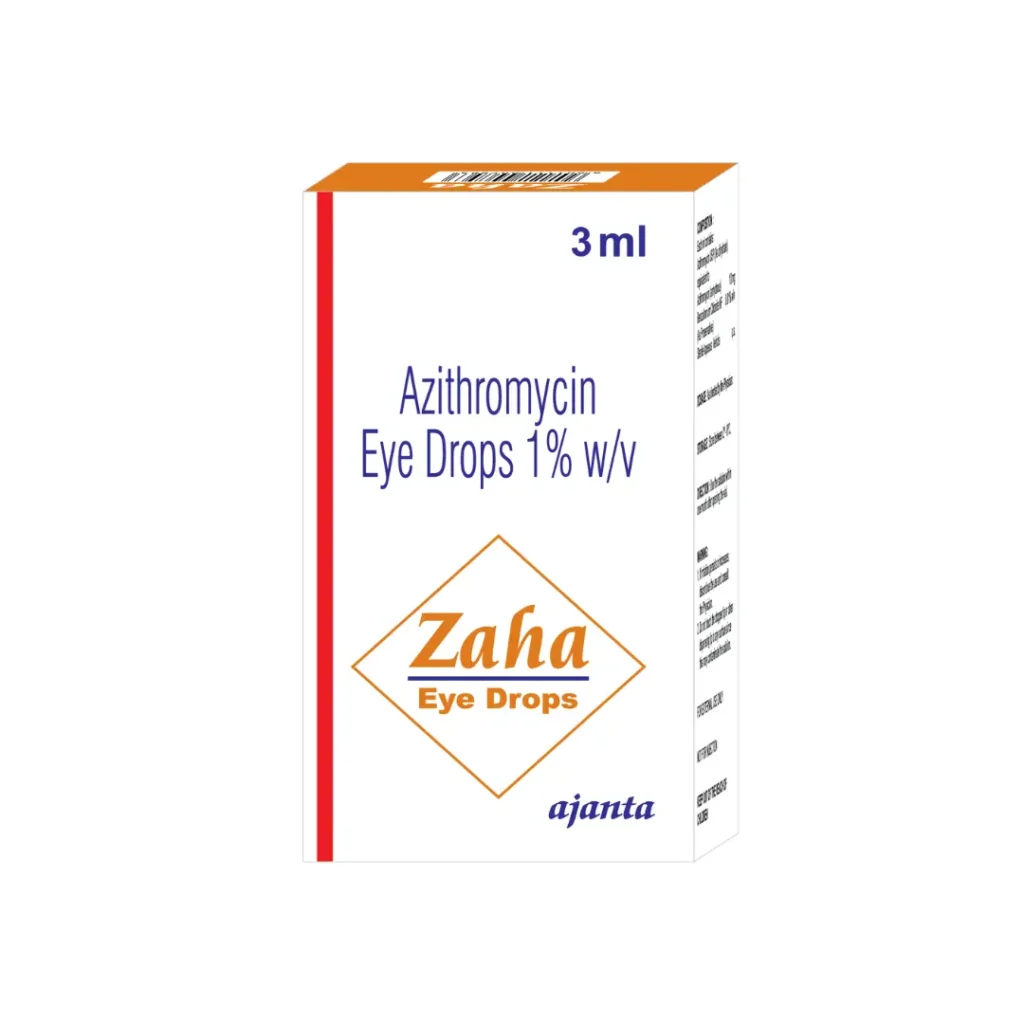

Azithromycin
1%
Zaha is indicated for the treatment of bacterial conjunctivitis caused by susceptible isolates
Most common adverse reaction reported in patients was eye irritation (1-2% of patients).
Azithromycin is a macrolide antibiotic. Azithromycin acts by binding to the 50S ribosomal subunit of susceptible microorganisms and interfering with microbial protein synthesis.
Azithromycin was not detected in the blood of patients with bacterial conjunctivitis after instillation of at the recommended dose (detection limit: 0.0002 µg/mL of plasma).The half life of Azithromycin in Zaha is 2-4 days
Pregnancy Pregnancy Category B. Reproduction studies have been performed in rats and mice at doses up to 200 mg/kg/day. The highest dose was associated with moderate maternal toxicity. These doses are estimated to be approximately 5,000 times the maximum human ocular daily dose of 2 mg. In the animal studies, no evidence of harm to the fetus due to azithromycin was found. There are, however, no adequate and well-controlled studies in pregnant women. Because animal reproduction studies are not always predictive of human response, azithromycin should be used during pregnancy only if clearly needed. 8.3 Nursing Mothers It is not known whether azithromycin is excreted in human milk. Because many drugs are excreted in human milk, caution should be exercised when azithromycin is administered to a nursing woman.
Pediatric Use The safety and effectiveness of Azithromycin solution in pediatric patients below 1 year of age have not been established. The efficacy of Azithromycin in treating bacterial conjunctivitis in pediatric patients one year or older has been demonstrated in controlled clinical trials
Subscribe to our newsletter and be the first to receive insights, updates, and expert tips on optimizing your financial management.