

Optimizing Acid Suppression Therapy in GERD and Peptic Ulcer Disease: A Clinical Perspective for Gastroenterologists and Consulting Physicians
Acid-related disorders (ARDs) such as Gastroesophageal Reflux Disease (GERD), peptic ulcer disease (PUD), NSAID-induced ulcers, and Helicobacter pylori infection remain among the most common gastrointestinal conditions encountered in clinical practice. Despite widespread use of proton pump inhibitors (PPIs), challenges such as incomplete symptom control, nocturnal acid breakthrough (NAB), comorbid patient management, and long-term maintenance therapy continue to demand careful therapeutic selection.
For Gastroenterologists and Consulting Physicians (CPs), optimizing 24-hour acid suppression, ensuring meal-independent dosing compliance, and addressing special populations are critical determinants of clinical outcomes.
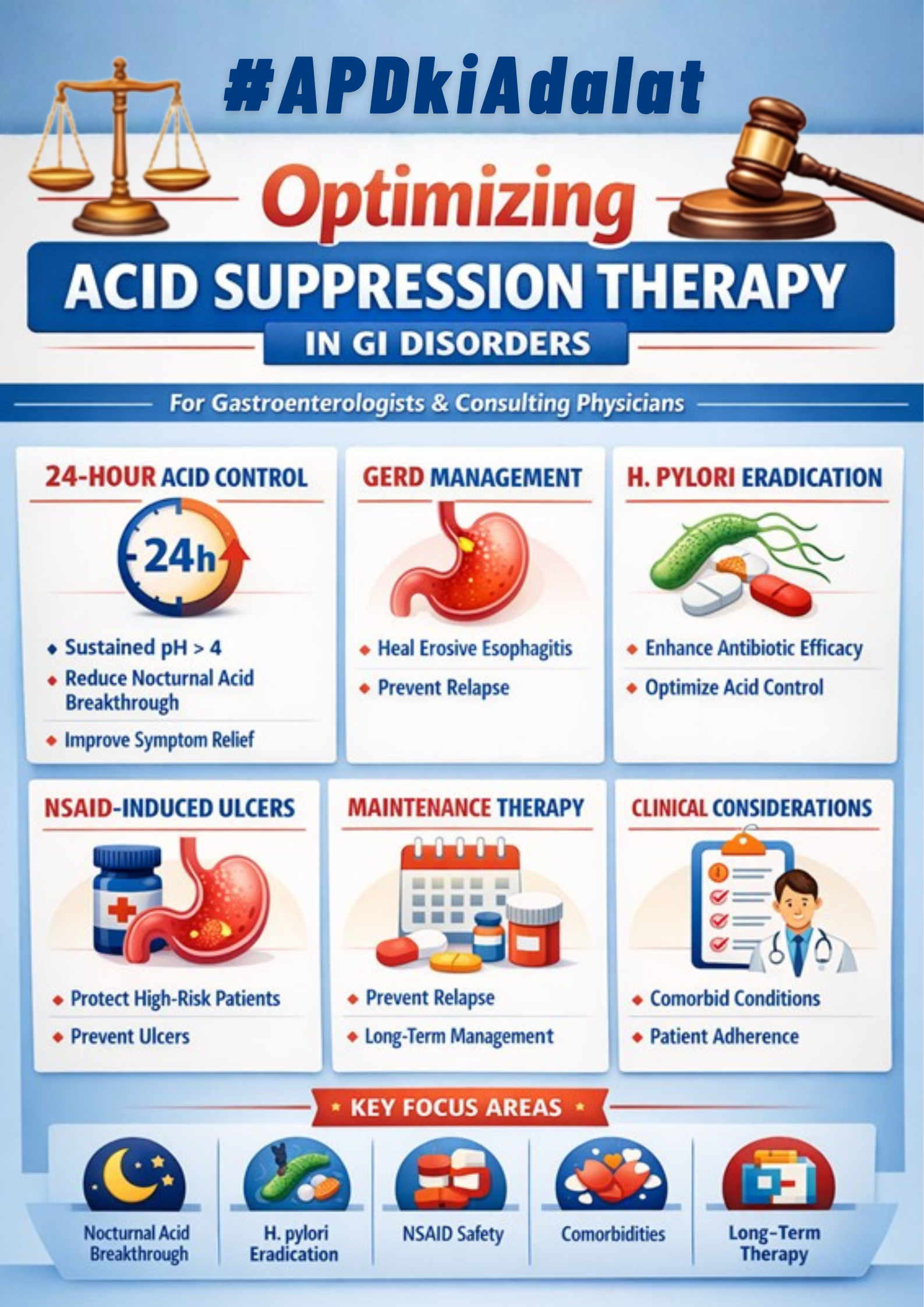
The Importance of 24-Hour Acid Suppression
Sustained acid suppression is the cornerstone of managing GERD and ulcer disease. Studies have demonstrated that effective symptom control correlates strongly with maintaining intragastric pH >4 for prolonged durations over 24 hours¹.
However, conventional PPIs may exhibit:
- Delayed onset of action
- Variable meal-dependent absorption
- Reduced nocturnal acid control
- Inconsistent response in severe GERD patients
Nocturnal Acid Breakthrough (NAB), defined as gastric pH <4 for more than 60 consecutive minutes during the night despite PPI therapy, has been observed in a significant proportion of patients². Persistent nocturnal acid exposure contributes to refractory GERD symptoms and impaired mucosal healing.
GERD: Beyond Symptom Relief
GERD management extends beyond symptomatic improvement. Long-term goals include:
- Healing erosive esophagitis
- Preventing recurrence
- Reducing complications such as Barrett’s esophagus
- Improving quality of life
Maintenance therapy is often necessary, especially in patients with severe erosive esophagitis (LA Grade C/D). Clinical evidence supports the role of optimized maintenance dosing strategies to prevent relapse³.
For CPs managing patients in primary care settings, selecting acid suppression therapy that ensures:
- Rapid onset
- Consistent 24-hour control
- Meal-independent dosing
- High patient adherence
can significantly improve long-term outcomes.
H. pylori Eradication: Acid Control Matters
Effective H. pylori eradication therapy requires potent acid suppression to enhance antibiotic efficacy. Higher intragastric pH levels improve bacterial susceptibility and antibiotic stability⁴.
Suboptimal acid control may contribute to eradication failure, especially in regions with high antibiotic resistance. Therefore, in eradication regimens, the selection of a potent and reliable acid suppressant is crucial to maximize therapeutic success.
NSAID-Induced Ulcers and High-Risk Populations
Clinical guidelines recommend gastroprotection with PPIs in high-risk NSAID users⁵. Effective acid suppression reduces ulcer risk and promotes mucosal healing.
In comorbid patients, physicians must balance:
- Drug-drug interactions
- Polypharmacy concerns
- Long-term safety of acid suppressants
Choosing agents with favorable safety profiles and minimal metabolic interactions is particularly important in this group.
Maintenance Therapy: Preventing Relapse
Relapse rates after discontinuation of therapy in GERD and peptic ulcer disease remain substantial. Maintenance therapy strategies include:
- Continuous low-dose PPI /PCAB therapy
- On-demand therapy (in mild GERD)
- Step-down approaches
Evidence supports maintenance regimens in preventing recurrence of erosive esophagitis and ulcer disease³. Gastroenterologists/CPs frequently encounter patients with recurrent symptoms due to irregular therapy adherence. Simplified dosing regimens and reliable acid control can improve compliance and reduce relapse rates.
Clinical Considerations for Daily Practice
When selecting acid suppression therapy, Gastroenterologists and CPs should evaluate:
- Severity of disease (NERD vs. erosive GERD)
- Presence of nocturnal symptoms
- H. pylori status
- NSAID usage
- Comorbid conditions
- Long-term maintenance requirements
- Meal timing and adherence challenges
A patient-centric, individualized approach ensures better clinical outcomes.
Conclusion
Acid-related disorders continue to impose a significant clinical burden. Optimizing therapy requires more than symptom control — it demands sustained 24-hour acid suppression, prevention of nocturnal acid breakthrough, effective H. pylori eradication support, safety profile, protection in NSAID users, and reliable maintenance strategies.
For Gastroenterologists and Consulting Physicians, tailoring acid suppression therapy to patient-specific needs, comorbid conditions, and adherence patterns remains central to improving therapeutic success and long-term gastrointestinal health.
References
- Katz PO, et al. Guidelines for the diagnosis and management of GERD. Am J Gastroenterol. 2022.
- Peghini PL, et al. Nocturnal acid breakthrough on PPI therapy. Gastroenterology. 1998.
- Vakil N, et al. Maintenance therapy in GERD. Clin Gastroenterol Hepatol. 2006.
- Graham DY, et al. Role of acid suppression in H. pylori eradication. Gastroenterology. 2007.
- Lanza FL, et al. Guidelines for prevention of NSAID-related ulcer complications. Am J Gastroenterol. 2009.