Background:
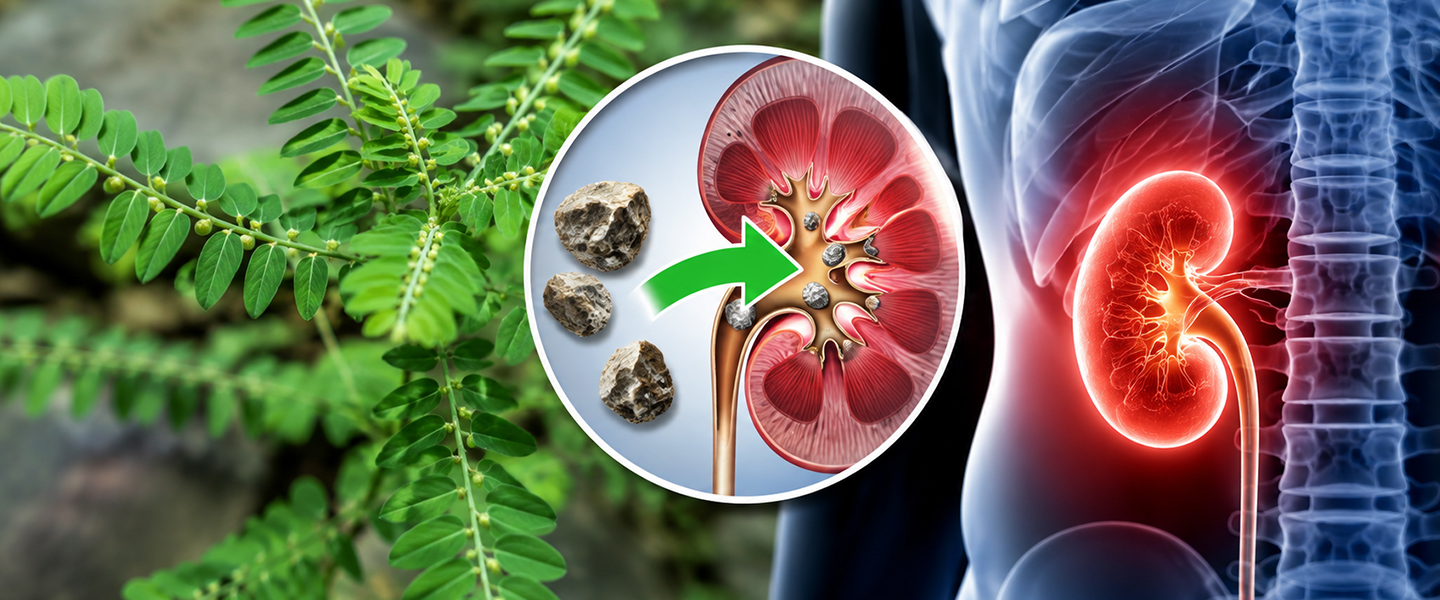
Nephrolithiasis is a common urological disorder with a high recurrence rate, largely driven by metabolic abnormalities such as hypercalciuria, hyperoxaluria, hyperuricosuria, and reduced urinary inhibitors of crystallization. Phyllanthus niruri (Chanca Piedra), a medicinal plant traditionally used as a “stone breaker,” has been proposed as a potential adjunct therapy; however, clinical evidence evaluating its metabolic effects remains limited.
Objective:
To prospectively evaluate the effects of Phyllanthus niruri on urinary metabolic parameters, stone burden, and safety outcomes in patients with kidney stones.
Methods:
A prospective clinical study was conducted in patients with renal calculi smaller than 10 mm. Participants underwent clinical, biochemical, metabolic (24-hour urine), and ultrasonographic evaluations at baseline, after 12 weeks of P. niruri infusion, and following a 12-week washout period. Changes in urinary metabolic parameters, stone number and size, and serum biochemical safety markers were assessed.
Results:
Phyllanthus niruri intake was well tolerated, with no clinically significant adverse effects or changes in serum biochemical parameters. A significant increase in urinary potassium and magnesium excretion was observed. In patients with baseline metabolic abnormalities, urinary oxalate levels significantly decreased in those with hyperoxaluria, and urinary uric acid levels decreased in patients with hyperuricosuria. Ultrasonographic evaluation demonstrated a significant reduction in the number and size of renal calculi, with several patients reporting spontaneous stone passage during the treatment period.
Conclusion:
Phyllanthus niruri favorably modulates key urinary metabolic risk factors associated with nephrolithiasis and contributes to stone reduction and elimination, particularly in patients with hyperoxaluria and hyperuricosuria. Its demonstrated safety and metabolic benefits support its role as a complementary strategy in the prevention and management of kidney stone disease.
The full-text PDF of the article is provided below for detailed review and reference.